
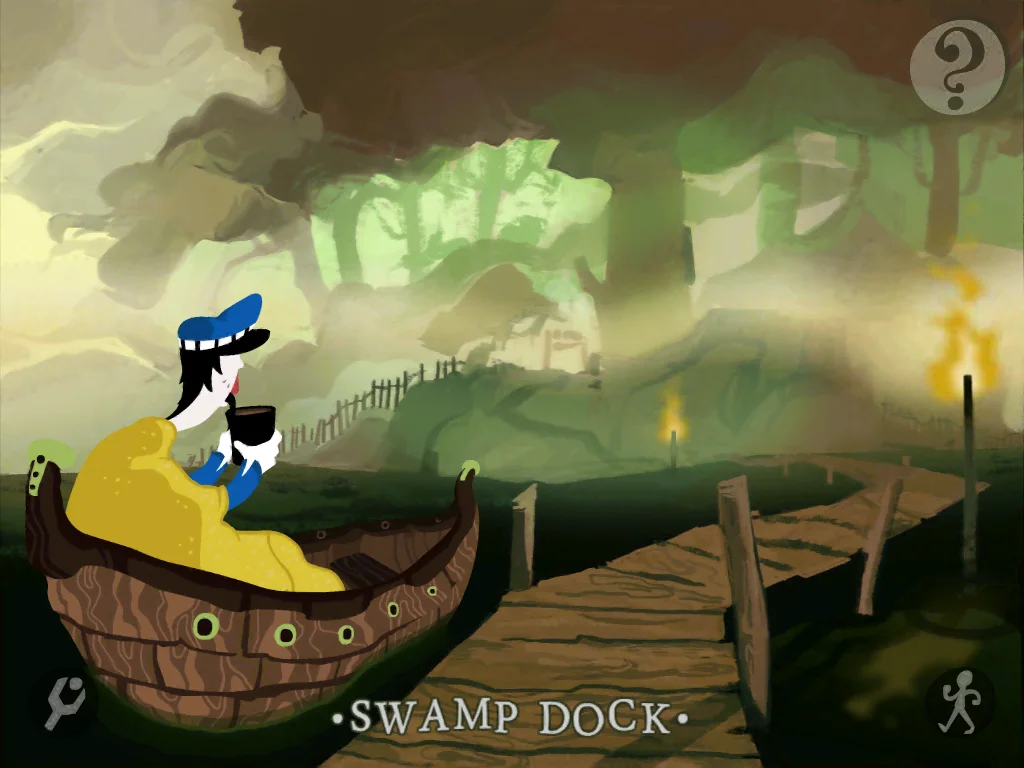
In Detective Grimoire, a useful first step when you are stuck is to name the question you cannot answer. Are you missing a clue, unsure what a suspect meant, or struggling to connect two facts? Each problem gives you a different reason to revisit the swamp.
This guide concerns SFB Games’ 2014 Detective Grimoire, the murder investigation at a marshland tourist attraction. It does not cover the earlier Flash game or reveal the culprit. The developer’s official description identifies exploration, questioning, clue hunting and puzzles as the main activities.
Turn the investigation into a small question
I recommend writing one sentence before retracing your route: “I need to understand why this object matters” or “I need to check what that character said about this location.” A clear question makes a return visit useful. Walking everywhere again with no question can leave you overlooking the same detail.
Keep your note short enough to glance at while playing. You are trying to preserve a lead, not produce a transcript. If you enjoy exploring without notes, use the same question mentally and move on once you have answered it.
| Blocker | Next check | Useful result |
|---|---|---|
| An unexplained object | Inspect it and its surroundings | A detail you can describe precisely |
| An ambiguous statement | Revisit the relevant conversation topic | The speaker’s actual claim |
| A conclusion that feels wrong | Check the evidence behind each part | The unsupported link in your reasoning |
| A mechanical puzzle | Read the prompt and examine its moving parts | One prediction to test |
| No obvious next action | Review the question you left unanswered | A specific place or person to revisit |
Hear the answer before interpreting it
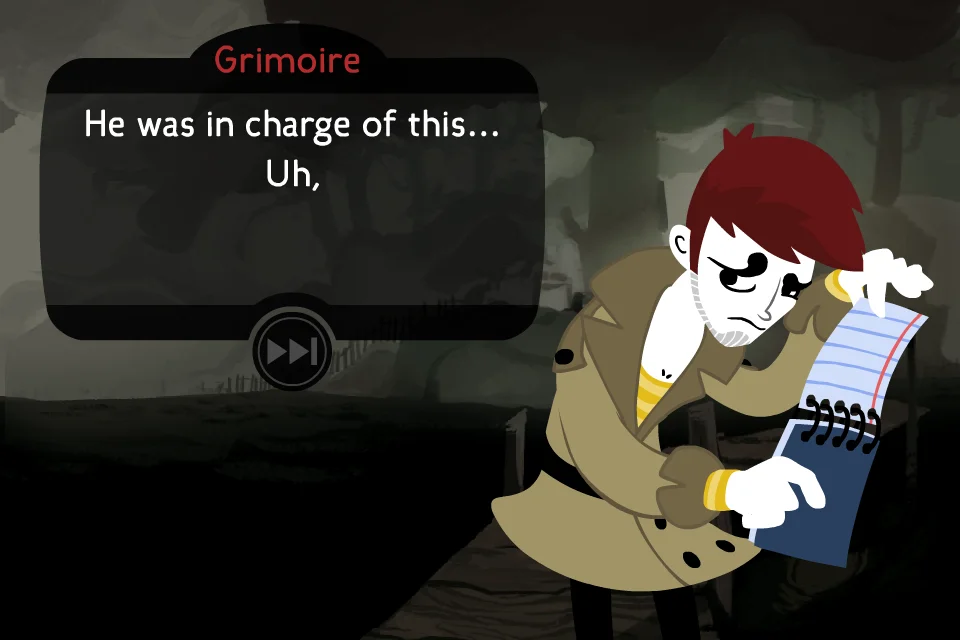
The voiced conversations are part of the game’s appeal. Let a response finish, then decide what it establishes. A hesitant answer may be interesting, but hesitation alone does not prove dishonesty.
For an invented practice example, “I saw someone near the entrance” establishes a reported sighting. It does not identify that person or explain why they were there. Keep those missing details as questions instead of quietly adding them to your notes as facts.
Check a deduction one part at a time
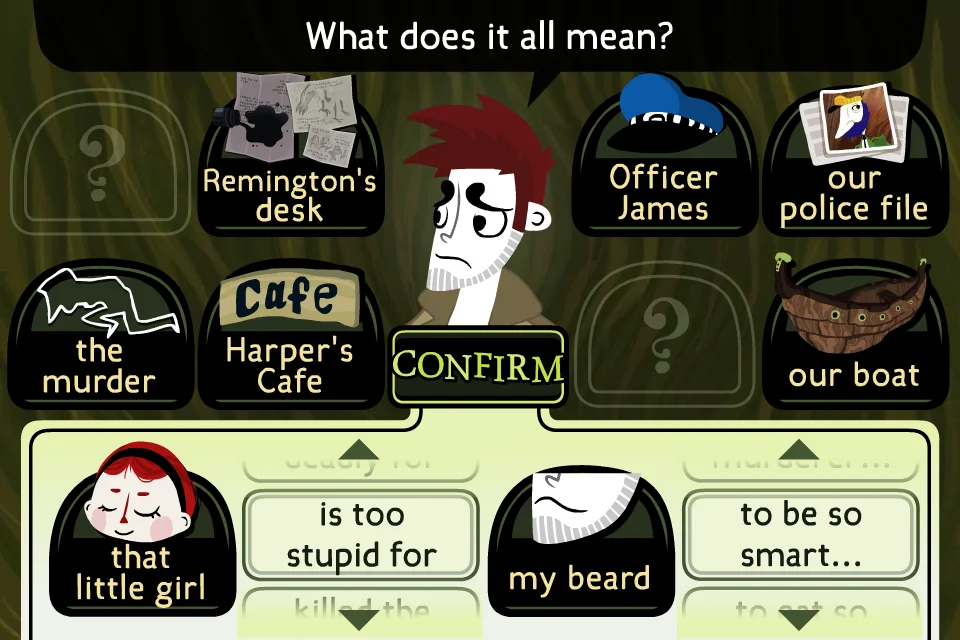
- Read the full question or prompt before selecting an answer.
- Identify the person, place or object involved. Similar-looking choices can refer to different parts of the investigation.
- Ask which discovered fact supports the relationship you are proposing.
- Try a conclusion you can explain, rather than cycling through combinations without reading them.
- If it fails, reconsider the weakest connection before discarding everything you know.
This approach also makes a hint more useful. You can ask about the missing connection instead of exposing the entire solution. Stop reading as soon as you have a new action to try.
Use locations as reminders
When you return to a scene, look at it with your current question in mind. An object you dismissed earlier may now have a reason to inspect it. Equally, a vivid detail can remain background decoration; its appearance alone does not make it evidence.
I would revisit a relevant conversation before opening a full walkthrough when I have a clear topic left unresolved. If the obstacle is a puzzle interface I do not understand, I would check the instructions first. Those choices protect different parts of the mystery from unnecessary spoilers.
Before ending a session, leave a note containing one confirmed fact and one next action. That is easier to resume than a long list of suspicions. For the later investigation by the same studio, see our Tangle Tower beginner guide. Current purchase links are on the official Detective Grimoire website. The images here are original game screenshots supplied in SFB Games’ press kit.
Official promotional screenshot. Copyright remains with the developer.
Comments